
Planning guide
Basement Finishing Mistakes to Avoid
Most basement regrets aren't construction mistakes. They're planning decisions made too late. Here are the common ones and how to avoid them.
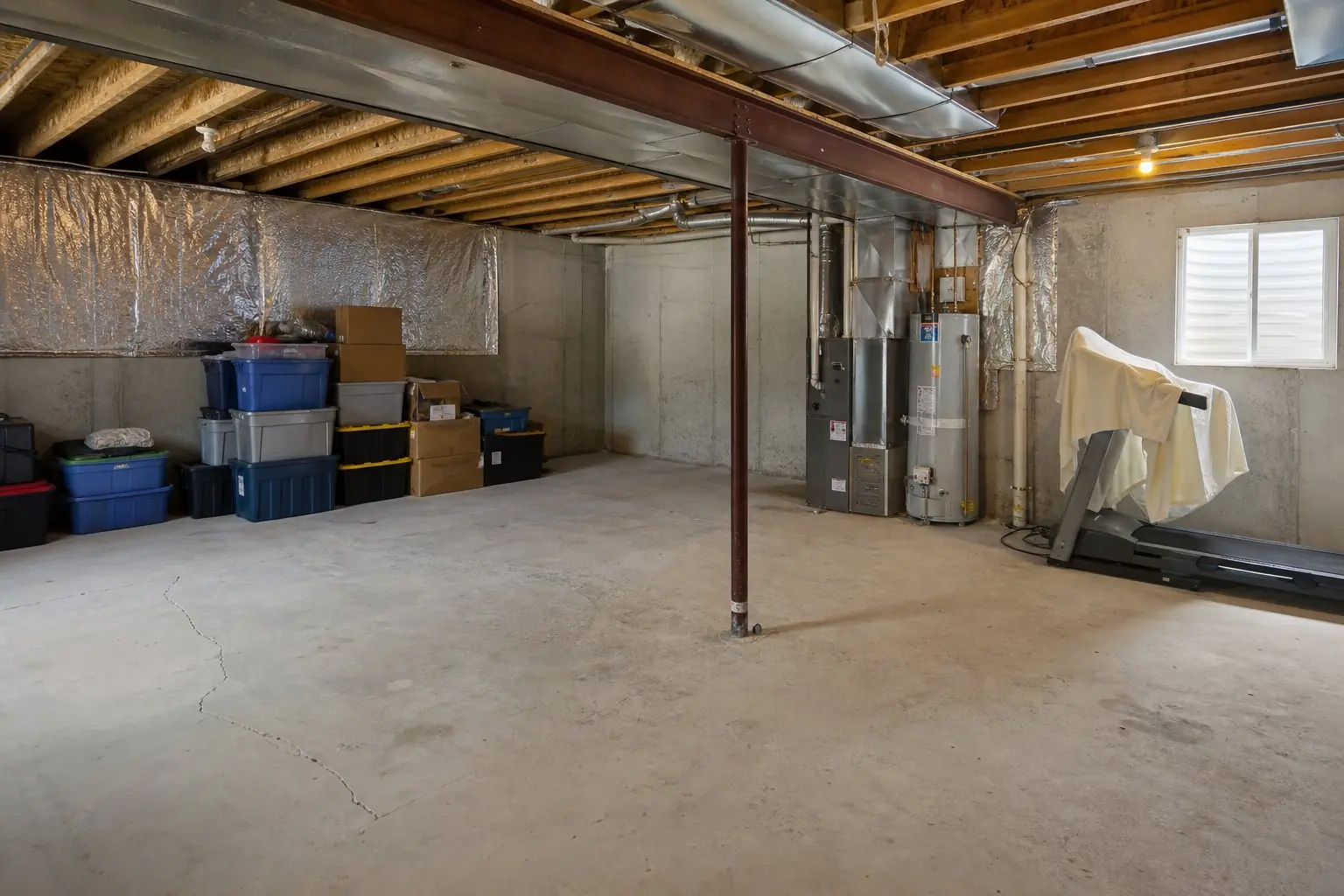
1. Calling a room a bedroom without legal egress
A basement bedroom needs an emergency escape opening, usually an egress window with a properly sized well. Discovering after framing that the wall you picked can't take one means either an expensive change or a room you can't legally call a bedroom. Avoid it: pick bedroom walls based on where egress works. See egress requirements.
2. Putting the bathroom where it "felt right"
Bathrooms far from the existing rough-in or main drain mean trenching the slab and longer drain runs, sometimes a pump. Avoid it: place the bathroom near the plumbing first, then arrange the rooms around it. See basement plumbing considerations.
3. Ignoring the column and the ductwork
Support columns end up in the middle of the TV wall, and duct soffits cross the room at the worst spot. Avoid it: map every column, beam and duct before placing rooms, and design them into walls, bars and soffits. See ceiling options.
4. Boxing in the mechanicals
Closets built around the furnace, water heater or electrical panel make service hard, and the electrical code doesn't allow panels in clothes closets or bathrooms. Avoid it: give the mechanical room clear access and a real door, and plan storage beside it, not around it.
5. Finishing over a moisture problem
Drywall and carpet over a damp wall or slab is a recipe for mold and repairs. Avoid it: look for signs of water first, fix grading and downspouts, keep any sump accessible, and choose basement-appropriate materials. In Davis County, several cities have specific drain and sump rules, so check your city page.
6. Skipping the permit
Davis County cities require permits for basement finishes. Skipping one can mean penalties or double fees, and unpermitted bedrooms and bathrooms can cause trouble at sale. Avoid it: plan for the permit and its inspections from the start. See the permits guide.
7. Planning only for today
A playroom becomes a teenager's bedroom. A guest room becomes a parent's suite. Avoid it: give flexible rooms an egress window and a closet now, and rough in plumbing where a future bathroom or kitchenette might go.
8. Forgetting storage
Unplanned storage ends up in a finished room. Avoid it: give storage its own space, often under the stairs or next to the mechanical room. See storage planning.
9. Lighting it like a parking garage
A grid of ceiling lights leaves walls dim and the basement feeling like a basement. Avoid it: plan layered light, including wall light and dimmers, before rough electrical. See lighting design.
10. Skipping sound control where it matters
A theater under a bedroom, or a bedroom under the kitchen, without sound control is a daily annoyance. Avoid it: decide which rooms need quiet and build it into the ceiling and walls. See soundproofing.
11. Comparing quotes that describe different projects
Two prices per square foot can describe two very different basements. Avoid it: compare written scopes and itemized estimates based on the same layout. See the cost guide.
12. Not testing for radon
Utah DEQ says about one in three Utah homes tests above the EPA action level. Avoid it: test before finishing so any mitigation can be routed neatly. See radon in Utah basements.
The common thread
Almost every item on this list is cheap to get right on paper and expensive to fix after framing. That's the case for planning the layout first. See basement design and planning.
Common questions
What's the biggest basement finishing mistake?
Deciding the layout during construction instead of before it. Most other regrets, like a bedroom without legal egress or a bathroom far from the drain, trace back to that.
Is skipping the permit really a problem?
It can be. Utah cities require permits for basement finishes. Unpermitted work can mean fines or double fees, and unpermitted bedrooms or bathrooms can cause problems with buyers, appraisals and inspections when you sell.
How do I avoid moisture problems in a finished basement?
Look for signs of water before finishing, fix grading and downspouts, make sure any sump works and stays accessible, and choose flooring and wall assemblies suited to a basement. Several Davis County cities have specific drain and sump rules.
Make the decisions before the drywall
Free walkthrough, then a layout sketch, written scope and itemized estimate.